Dim sum heaven – three Hong Kong icons

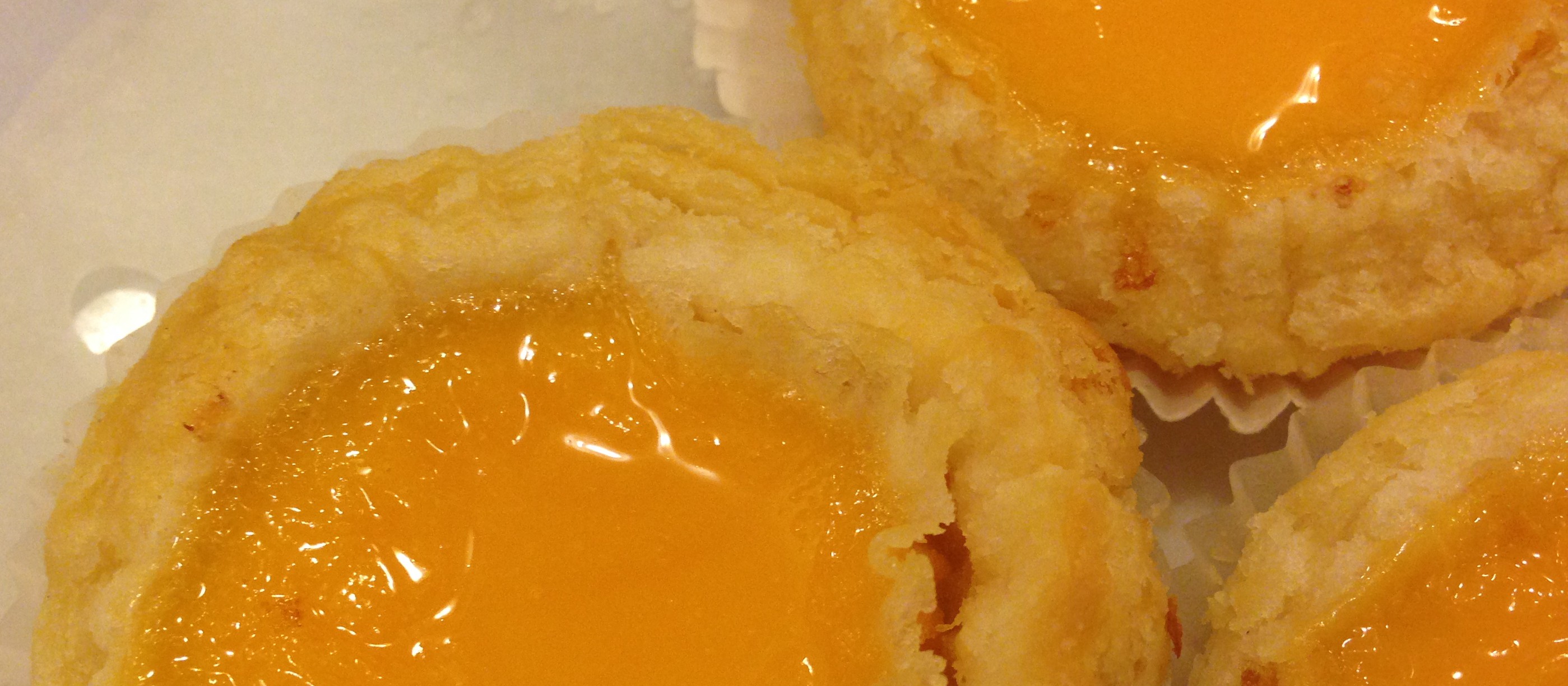
Egg tarts at Luk Yu Tea House

Egg tarts at Luk Yu Tea House

It should be no secret that Hong Kong has some of the greatest dim sum in the world. There are both pronounced and subtle differences to what I’ve experienced across Australia in Melbourne, Perth and Sydney, but the only important comparison is that Hong Kong contains the masters of this beautiful and iconic cuisine.

Taken from the Tim Ho Wan waiting area in Hong Kong Station

Tim Ho Wan waiting area in Hong Kong Station

Within Hong Kong you find that at the best dim sum restaurants, there is a formula that needs to be followed in a precise fashion given the weight of numbers wanting their fill. That formula has nothing to do with facades, for it is the food that rules whether or not success will be sustained. The branch of Tim Ho Wan in Central is a great example. Reams of small pieces of paper with brief descriptions of the dim sum available are being filled out by tens of hungry diners waiting for their names to be called out. All in the bottom of Hong Kong Station in as plain a shopping space as you are ever likely to find.
Fook Lam Moon's decadent room

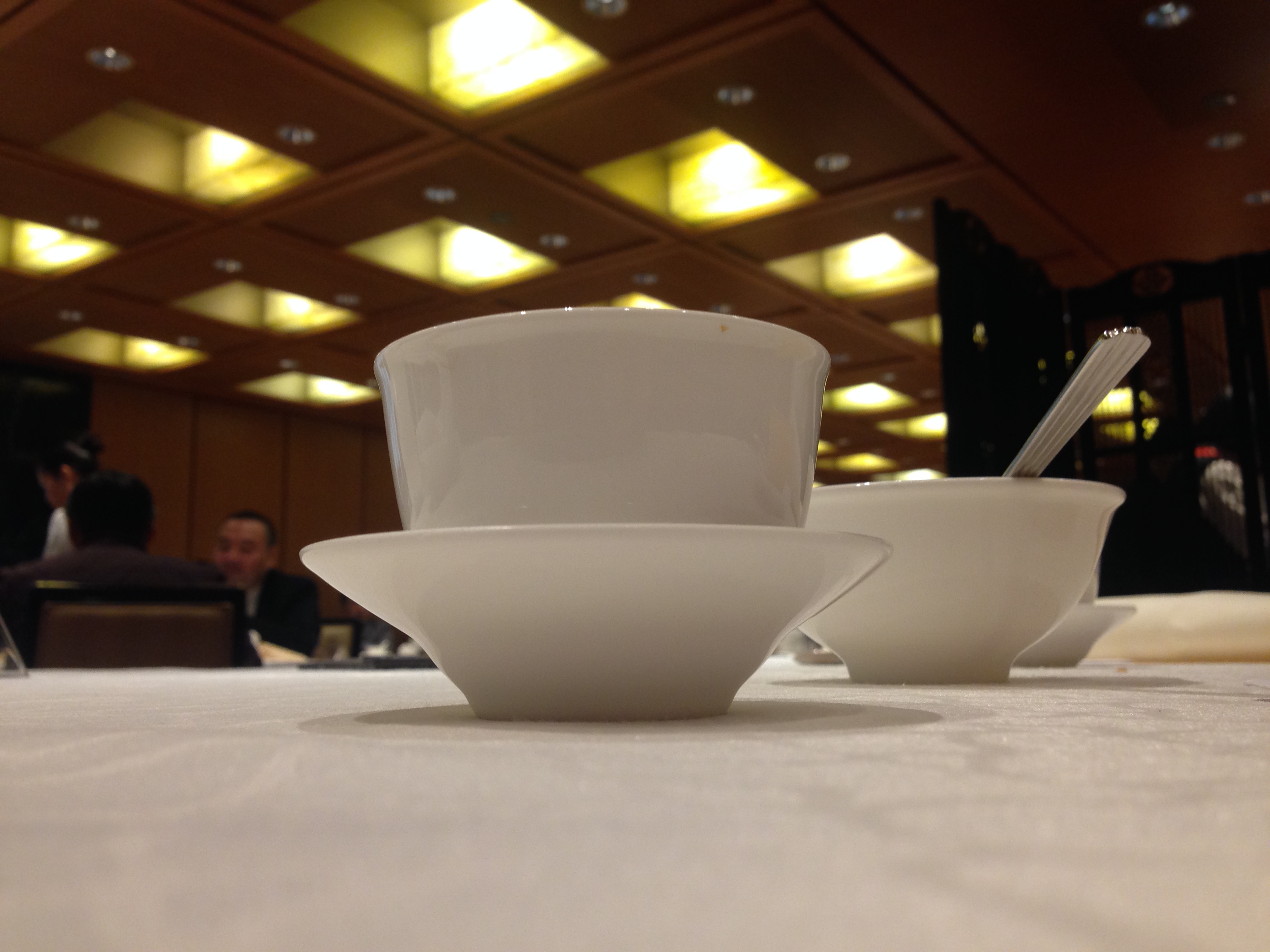
Fook Lam Moon’s decadent room

Compare that to the opulence of Fook Lam Moon and its decadent room, often full of celebrities; or Luk Yu Tea House and its almost unflappable authenticity. These are restaurants with tradition abounding, greatness being shown in the meticulous dim sum, and floorstaff with absolutely no arrogance doing their job with so little fuss it almost epitomises quiet confidence.

Back to Tim Ho Wan and the procedure. Put your name down, get your piece of paper, fill it out, provide it once your name is called, sit down, eat, sip, leave. This is no space to be quietly contemplating anything. There are so many people outside waiting with their pencils and pieces of paper, with looks of consternation, that you would think we are at the races. My tip here, which no doubt goes without saying, is get here as early as possible and be prepared to wait. We arrived about 11.45am and were seated shortly after midday so all was good.
Baked pork bun at Tim Ho Wan

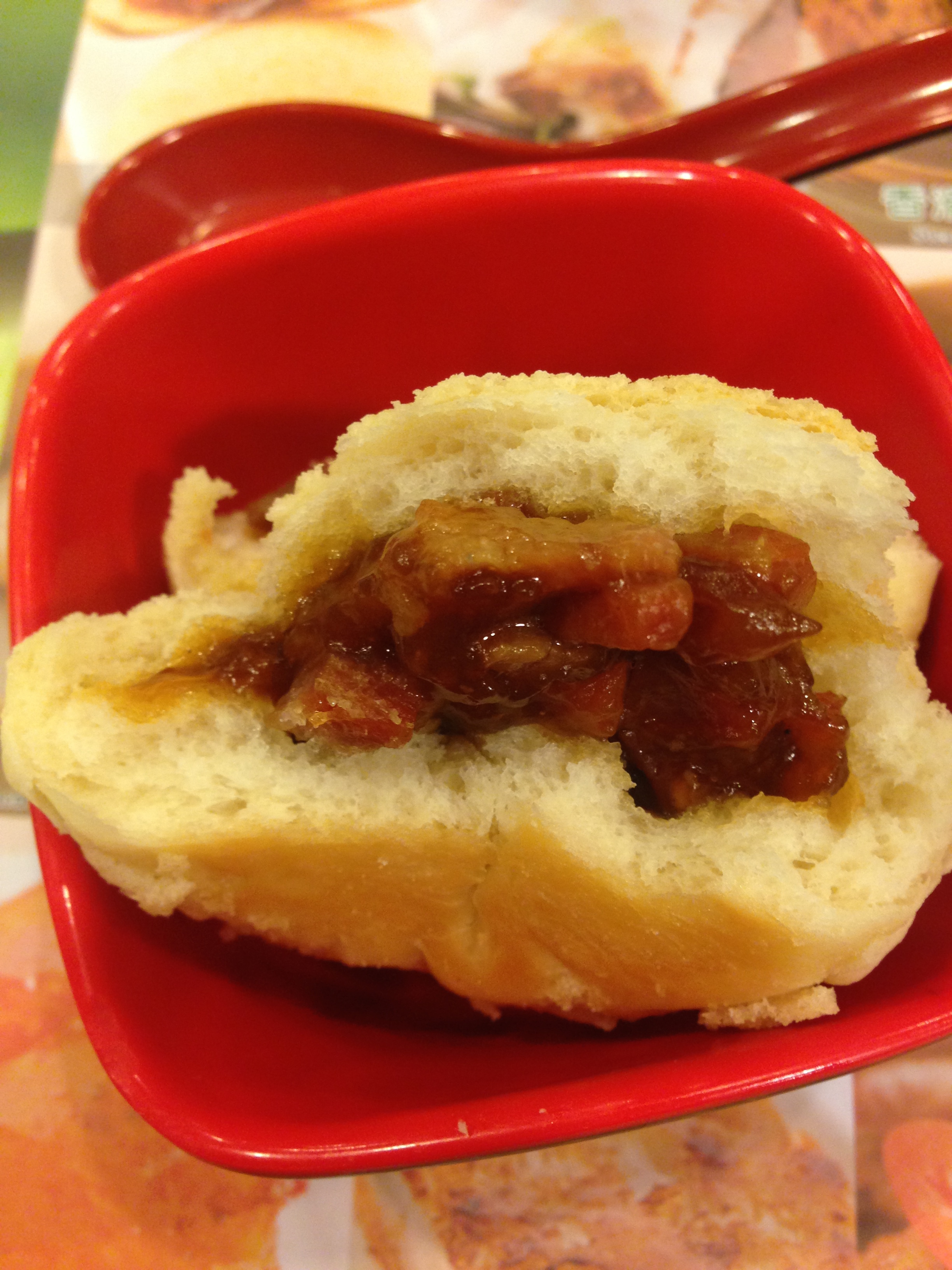
Baked pork bun at Tim Ho Wan

Like all three places I’m describing in this blog, the dim sum is delivered fresh based on your order. At THW we had marked down the several dishes, savoury and sweet, that we wanted, so we knew the exact cost (plus service) for our meal. Dishes then arrive once they are ready in no particular order with sweets accompanying savouries. The apparent go-to dish is the baked pork buns. The dough has a touch of sweetness that is not overpowering but combines well with the gorgeous pork filling. There is a nice texture there from the baking, rather than steaming. Once THW is in Melbourne in 2015 I’ll be going out of my way to have several tries of the buns again because they are revered for a reason.
Glutinous rice

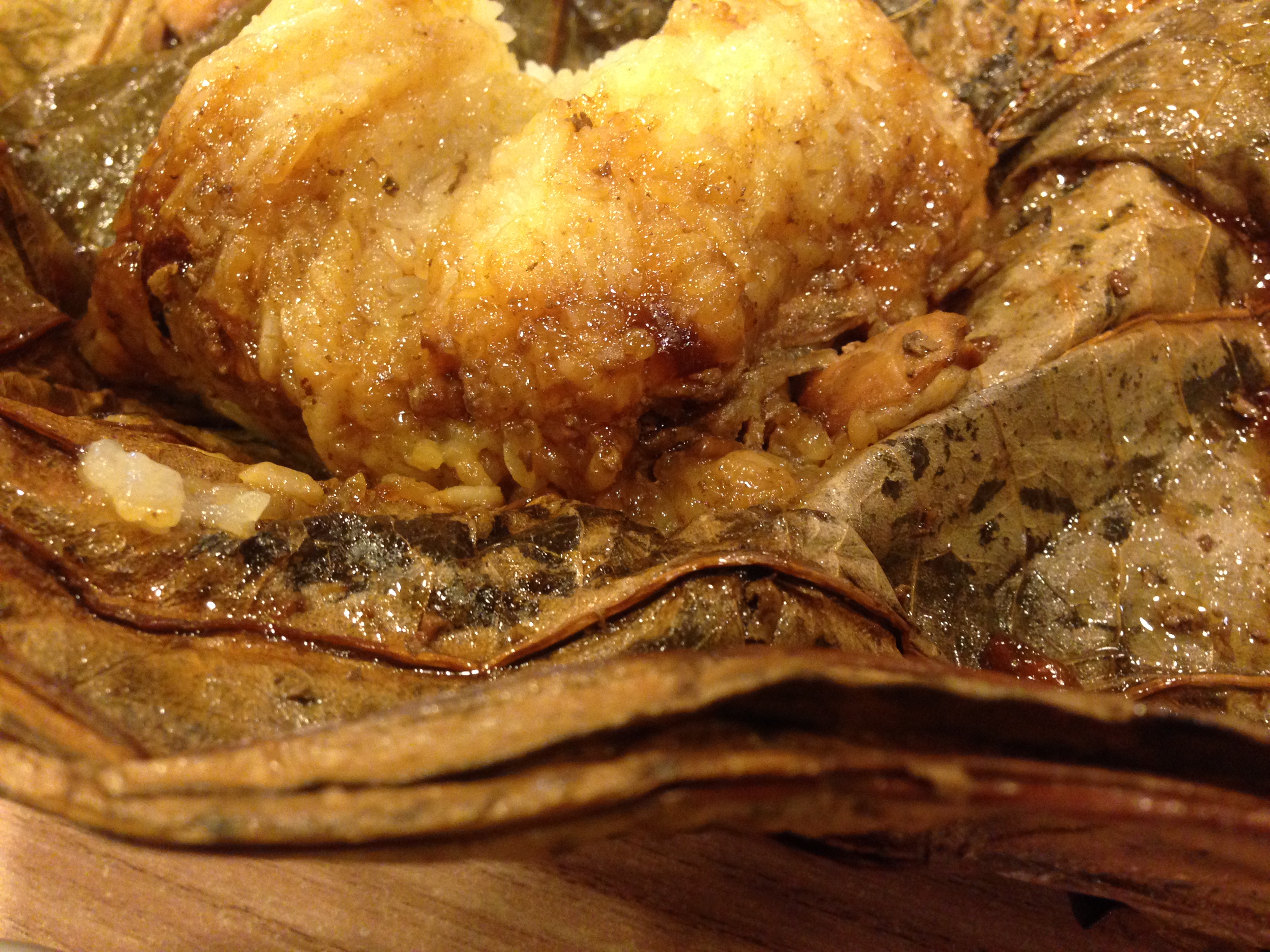
Glutinous rice

Almost every dish was excellent including the har gow (steamed prawn dumplings) and the black sticky rice cream. Though the main standouts other than the buns included the “tonic medlar and petal cake” which is definitely a classic dish often differently described. I believe it is made with chrysanthemum tea and petals but I’m really not sure. In the end it is a delicious, slightly sweet, textural jelly that is the perfect cleanser. The other standout was the glutinous rice or lo mai gai. This classic dish, wrapped in lotus leaves, contains chicken, Chinese sausage (tastes like blood sausage here), mushrooms and several other base ingredients. The perfume from the steamed lotus leaf provides an attractive introduction to what is a dense, decadent, and rich package of rice and meat. The only let down in the THW script was the seasonal vegetable being steamed iceberg lettuce. In any cuisine steamed iceberg lettuce is disappointing.

Tonic medlar and petal cake

Tonic medlar and petal cake

It was not my first time to Luk Yu Tea House and it won’t be my last. I feel I know what to do here – beat the nearby workers in Central to the table before their lunch hour. While it feels a little empty on this Monday late morning, by 1pm the restaurant is filling up with large bookings being seated. Inside, the restaurant has this feel like it was put together overnight, several decades ago! That is not to say it is without charm, in fact it, and the staff, have charm in spades.
IMG_2972
We tried the steamed pork buns (or char siu bao), the har gow, spring rolls with shredded chicken, and shredded barbecued duck meat & mushroom dumplings. All arrived freshly prepared and mighty quick! There is exquisite technique shown by the dim sum chefs in both the presentation and taste of each dish. The fact the technique needs to be duplicated with monotonous regularity adds, rather than detracts, from the greatness.
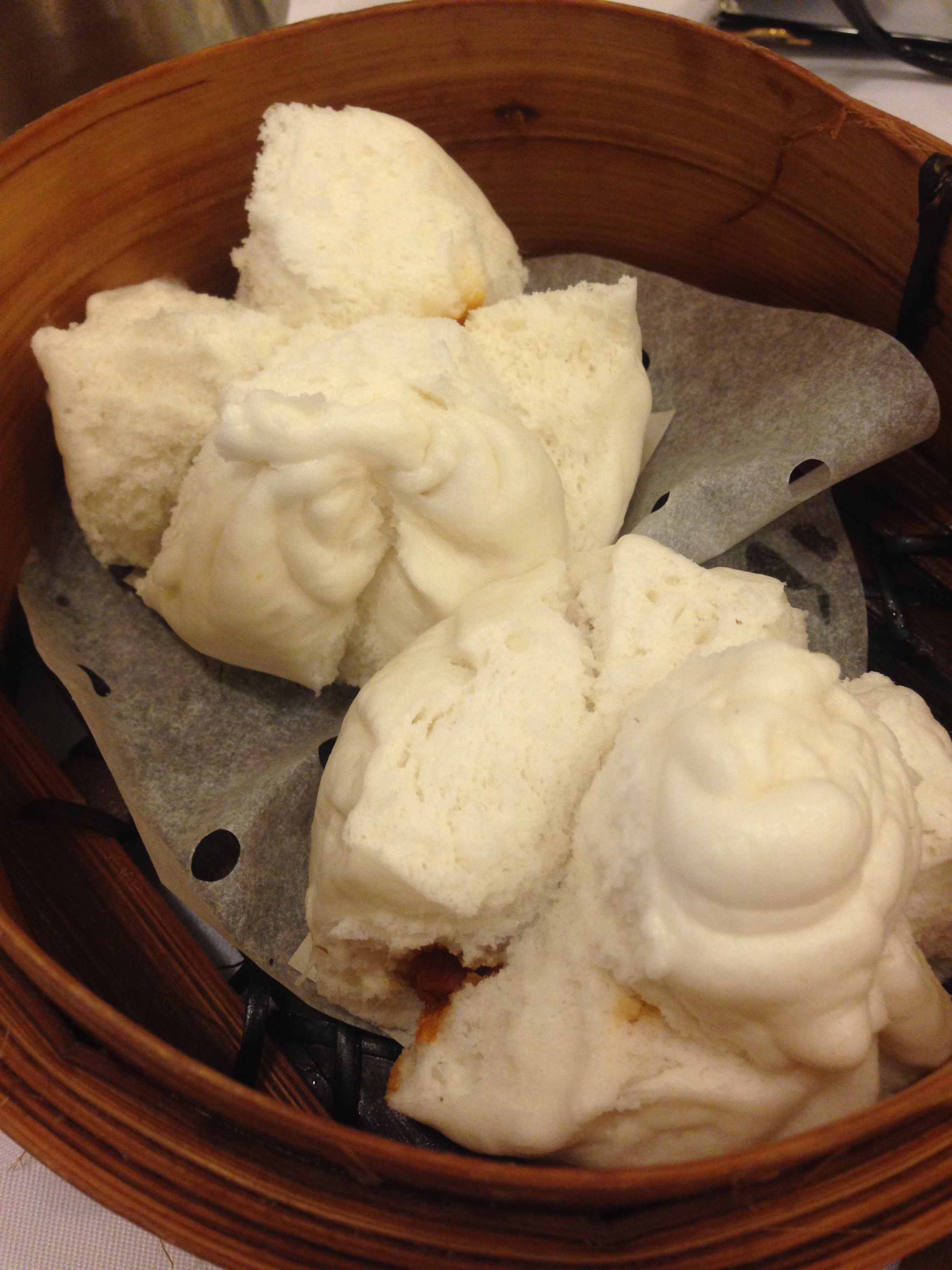
Steamed pork buns

Steamed pork buns

Here the char siu bao is classically fluffy, with a nice and hot filling of juicy barbecue pork. The har gow are almost overflowing with succulent prawns in a glutinous wrapper that tastes as pretty as it looks. There is an ease about Luk Yu.
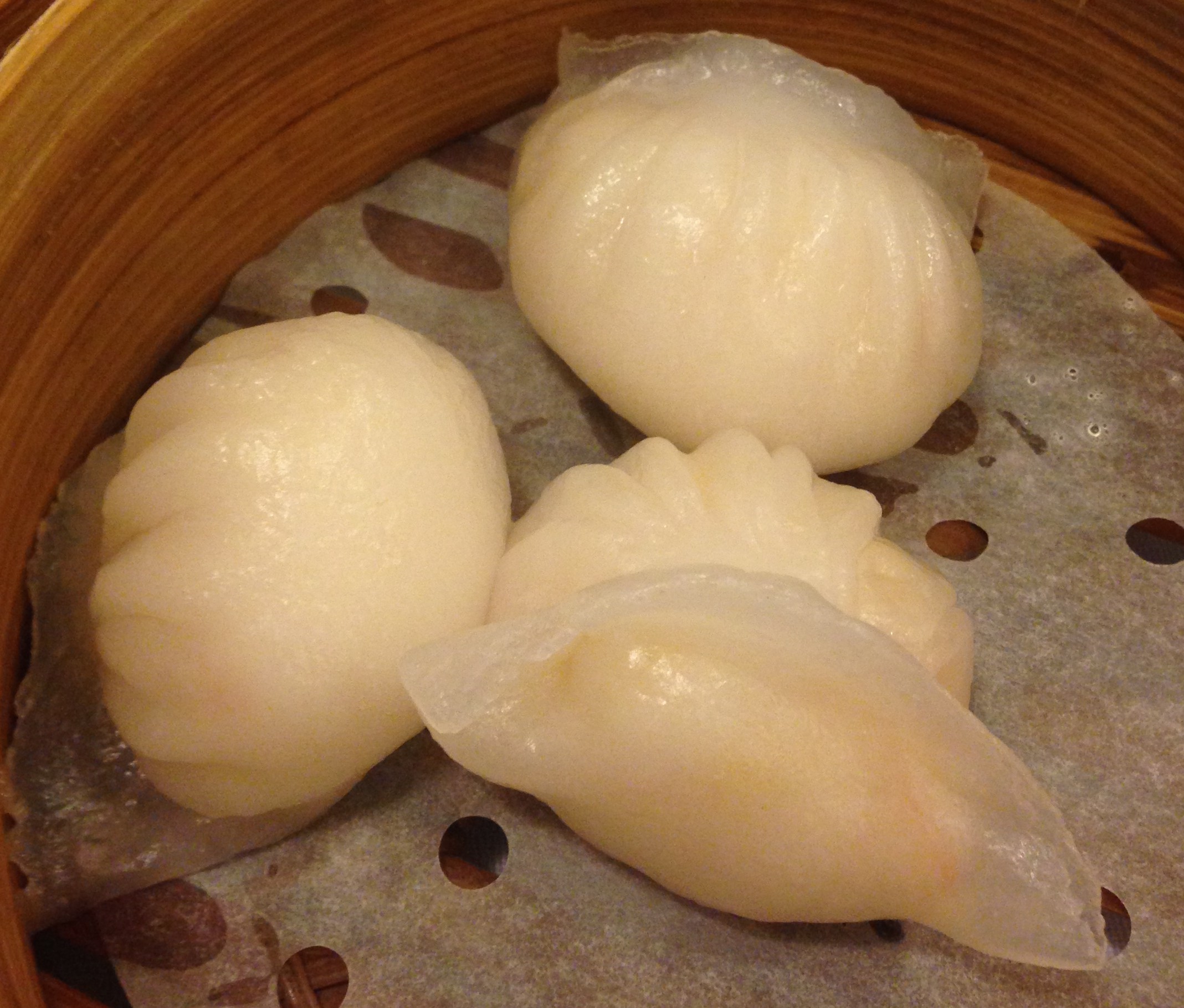
Har gow

Har gow

We finish with egg tarts and oven baked peach cakes. The egg tarts have flaky pastry that catches the sweet egg filling. I try not ordering them all the time because I can’t stop at one. The “cakes” are oddly described, but taste incredible. A combination of fresh peach and custard contained in the wicker basket like pastry are also impossible to not finish!

Oven baked peach cakes

Oven baked peach cakes

On the last day of the trip we venture to Fook Lam Moon and I have made a mistake in wearing shorts as this dim sum temple is anything but casual. Again there is no concern from the staff and we are made to feel welcome. It does go to show that decor can be the final ingredient, even in HK, for a Michelin star.

Prawn spring rolls

Prawn spring rolls

Everything, and I do mean everything, we try is top quality. This is probably my favourite dim sum experience for the trip. The prawn spring rolls are nothing short of astonishing. Spring rolls are both enticing with their fried crunchy exterior, and often boring by their similarity and familiarity. These are perfect because they have that exterior, but inside the fresh juicy prawns are incredibly flavoursome. I wish I could have some more!

Lo mai gai, char siu bao, har gow

Glutinous rice, char siu bao, har gow

The char siu bao, har gow and lo mai gai are all delicious – quality and finesse in every bite. We finish with mango pudding and it is the most familiar to me for the trip with chunks of mango throughout the pudding and mango syrup on top. It’s an exciting way to finish the trip.

Dim sum is something that grows on you quickly. The jasmine tea is a fantastic digestive and many of the dishes of choice are rather healthy. The main feature though, like many share situations, is the social interaction. Sharing food and tea is made so natural in this delicious format.

Lung King Heen – Hong Kong – Saturday 13 December 2014 – Dinner

Wok-fried superior Australian wagyu beef cubes with sarcodon asparatus and capsicum

Wok-fried superior Australian wagyu beef cubes with sarcodon asparatus and capsicum

There is no definition of what makes a restaurant a destination in itself. Though the Michelin Guide equates the greatest restaurants to “exceptional cuisine, worth a special journey”. There are times in the best meals where I lose the words to describe what I’m tasting, and feeling. Could this happen in Hong Kong and could it happen in a Cantonese restaurant?

I would like to say that I’m worldly and know by heart the best restaurants across the globe. After New York I know a handful in destinations like Paris, San Sebastian and London, and after that just the top couple in a few places in the US and Europe. I had never heard of Lung King Keen even though friends had been there, but I knew they had been to a three Michelin star restaurant in Hong Kong. Hence the importance of Michelin’s guides, and the World’s Best Restaurant awards, but inherently difficult ability to discover the greatest for yourself. It seems that is only maybe possible in your home town.

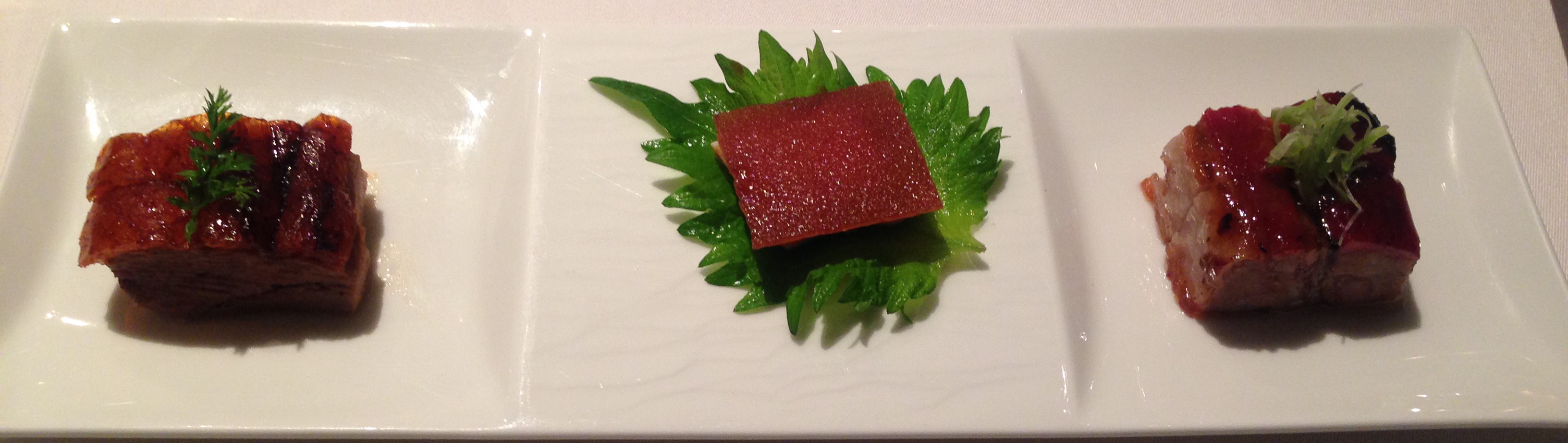
Roast goose with plum sauce, crispy suckling pig, barbecued pork with honey

Roast goose with plum sauce, crispy suckling pig, barbecued pork with honey

I know from this experience that there are differences in what is considered exceptional in Hong Kong, to what is exceptional in the other dining destinations I’ve mentioned. It is refreshing that this is the case. We are not in France, so it is pleasing to find Michelin are not judging in comparison to French restaurants. With such different cuisine what would be the point of direct comparison? After all, a lot of the food in China is based on recipes that have evolved over a longer period than many French classics.

On to Lung King Heen and the welcome is warm and friendly, though without any air of importance and pomp. The room is loud in a colour sense; artistic almost; though projecting more about the decadent Four Seasons hotel the restaurant is housed in, rather than providing an entree into an exquisite Chinese meal. I guess in most senses it is like no other Chinese restaurant I’ve been to in almost every single way. The service was nice, not that noticeable (in a good way), attentive enough, experienced enough, but of the several floorstaff I cannot remember a flash of charisma. The reason I mention all of this to begin with is to put it aside, because in my mind, I came for the cuisine, and the cuisine is what stands out in my memory like the slow motion finish of a race.

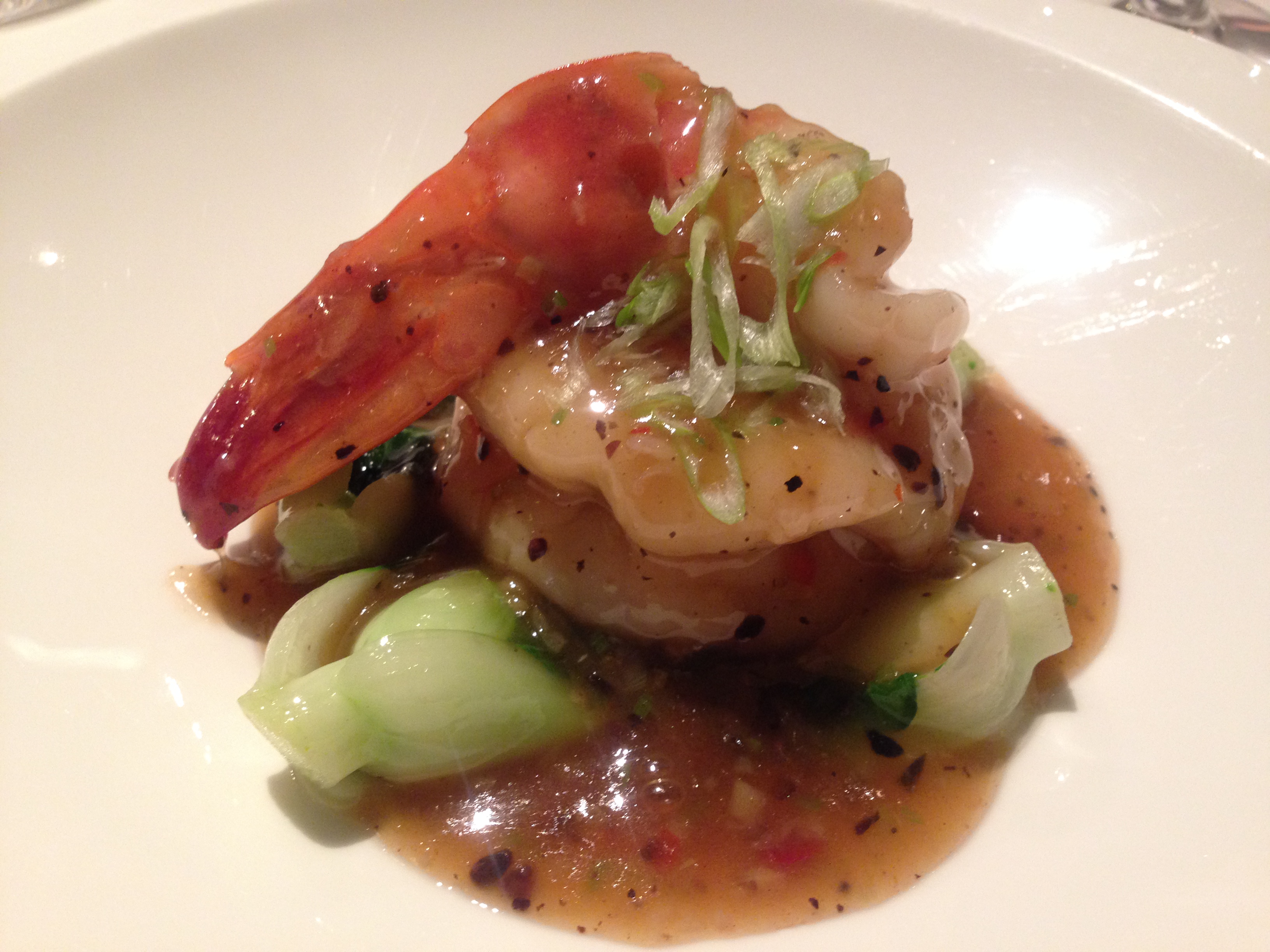
Simmered king prawn in fermented bean sauce

Simmered king prawn in fermented bean sauce

My favourite dish on the Chef’s Tasting Menu (HK$1,750) was refreshed several times, which is the sign of a great meal. In theatrical terms, there were many highlights in the script of this Oscar nominated movie, leading to a fascinating climax, and a short, reasonably satisfying ending. The climax was the “wok-fried superior Australian wagyu beef cubes with sarcodon aspratus and capsicum”. Now, I do realise that I just mentioned my favourite dish contained Australian wagyu beef, but this is absolutely in no way a patriotic or emotionally subjective inkling. Actually, the star of this dish was difficult to distinguish between amazingly flavoursome, complicated mushrooms (sarcodon aspratus), and beef that you eat in wonder at how it hasn’t melted into the bowl. There is technique used here that only the chefs and more experienced Cantonese diners could describe, but the end result is astonishing.

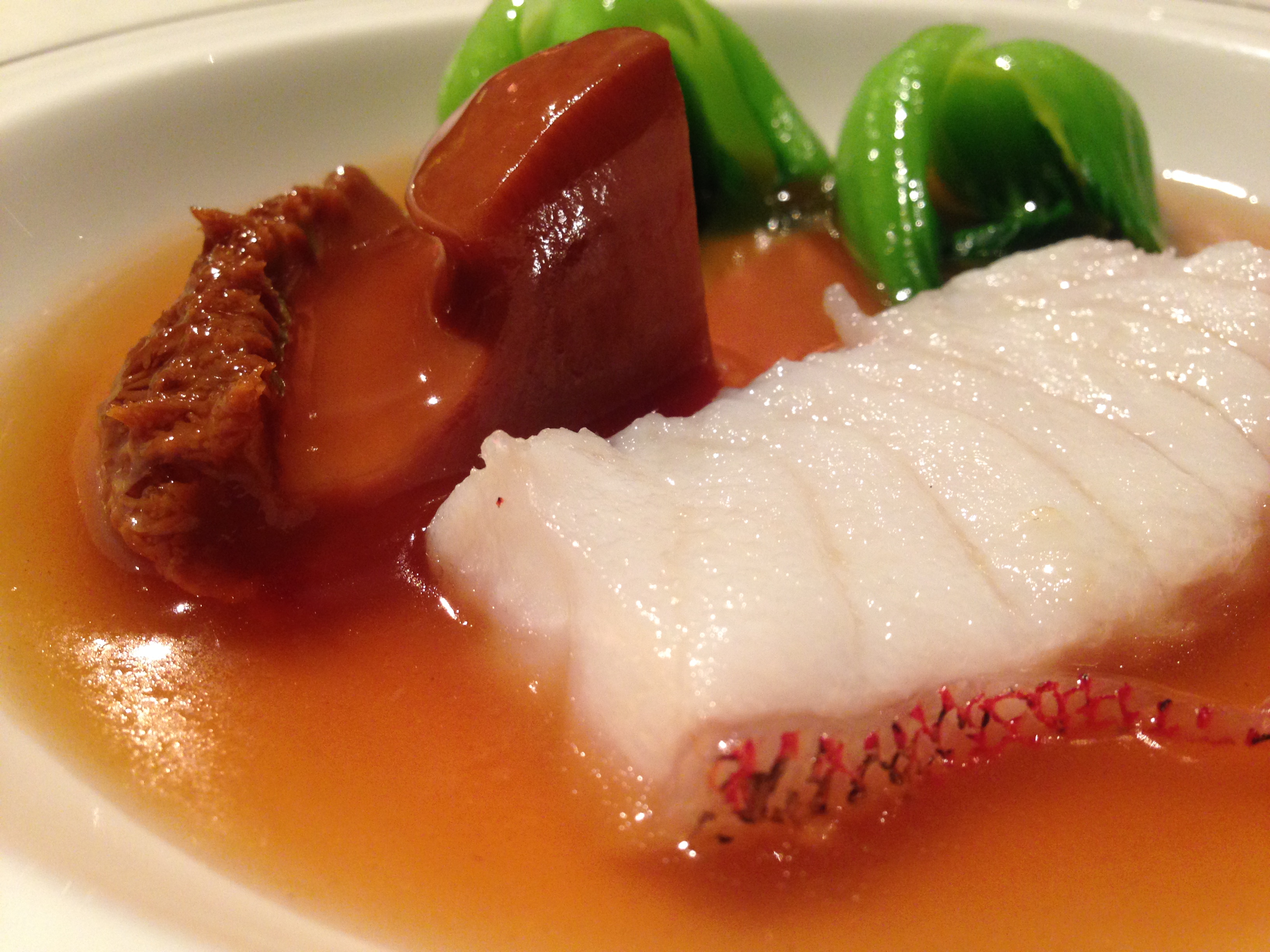
Braised abalone cube with star garoupa fillet in supreme oyster sauce

Braised abalone cube with star garoupa fillet in supreme oyster sauce

The next most amazing scene was the simmered king prawn in fermented black bean sauce. Besides the staggering size of the prawn, and the perfection in its just touched cooking, the delicate black bean sauce was a genius combination with what is, in the end, a sweet and subtle seafood. Keeping the gripping plot going was always going to be difficult, but the braised abalone cube with star garoupa fillet in supreme oyster sauce, amplified the light touch, but tightrope balance of executive chef Chan Yan Tak. It was fascinating that the abalone alone was very nice, and similarly the star garoupa on its own, but in combination they were outstanding.

Braised vegetable soup with lobster wanton and shredded chicken

Braised vegetable soup with lobster wanton and shredded chicken

There was quite a diverse reaction to the second course of braised vegetable soup with lobster wanton and shredded chicken. The soup was glutinous and flavoursome. The star, lobster wanton, was amazing, but all too short lived. My preference would have been to have a single large spoon of the wanton with the broth for one divine mouthful. Prior to that we had the combination of appetisers that used that same suggestion. One divine mouthful of roast goose with plum sauce, another of crispy sucking pork, and another of barbecued pork with honey. All amazing, but showing that if you copy classics you can only elevate them so far, but if you create new dishes like the others on this menu, you can really make an outstanding statement.

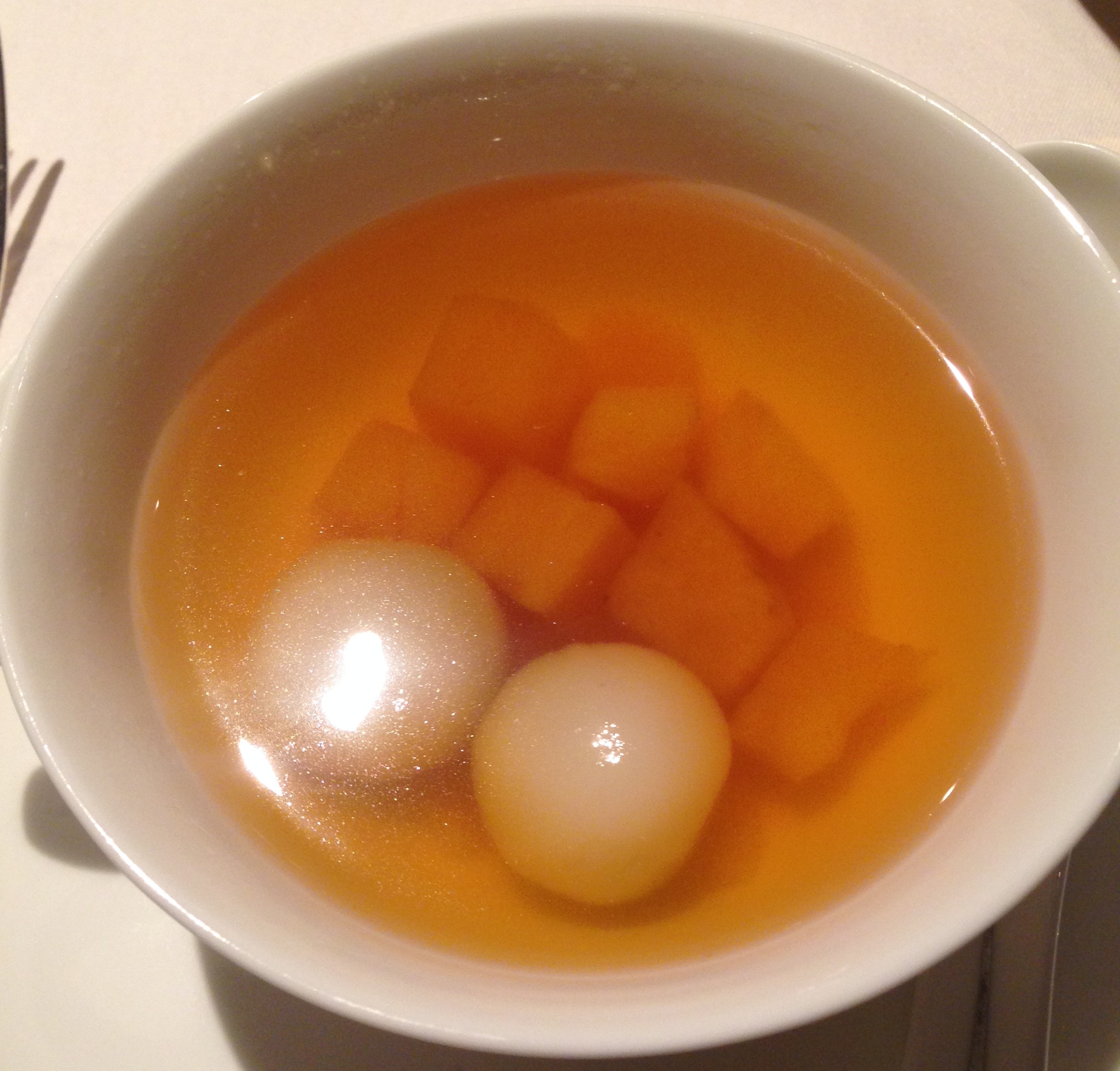
Ginger soup with sweet potato and glutinous rice dumplings

Ginger soup with sweet potato and glutinous rice dumplings

However, the dessert went a little too far for my tastes, and the rest of the table. This was the time where, after one outstanding dish after another, our minds turned to the sweet side of things. The ginger soup was delicious, but not sweet. In fact, with a little sweet potato in each bite, it was bordering savoury. The glutinous rice dumplings, in themselves, were fantastic. I know that Chinese desserts are often not overly sweet, and the rice dumplings were a good expression of this cultural fact. Though, like the wanton, were not numerous enough to actually make an impactful statement on the dish. The Chinese petit fours with the chrysanthemum flowers and wolfberries in jelly are a classical dessert and were a nice way to end.

IMG_3118

I can see how Lung King Heen has been awarded so many accolades. It is the most creative Chinese cooking I’ve tried, and there were several incredible dishes, without any misses, albeit the dessert was not to my taste. Recounting on this experience, and having reflected more on it than most, leads me to believe it is near impossible to objectively compare it to most others in the same type of quality. What I can say is that there is a lot to like about the Western fine dining impact on this restaurant, and there is a lot to like about the flavours, combination and balance of the dishes I tried. The ingenuity is delicious and I hope chef Chan Yan-tak continues with it for many years to come.